
Why Proper Bike Fit Matters… More Than You Think
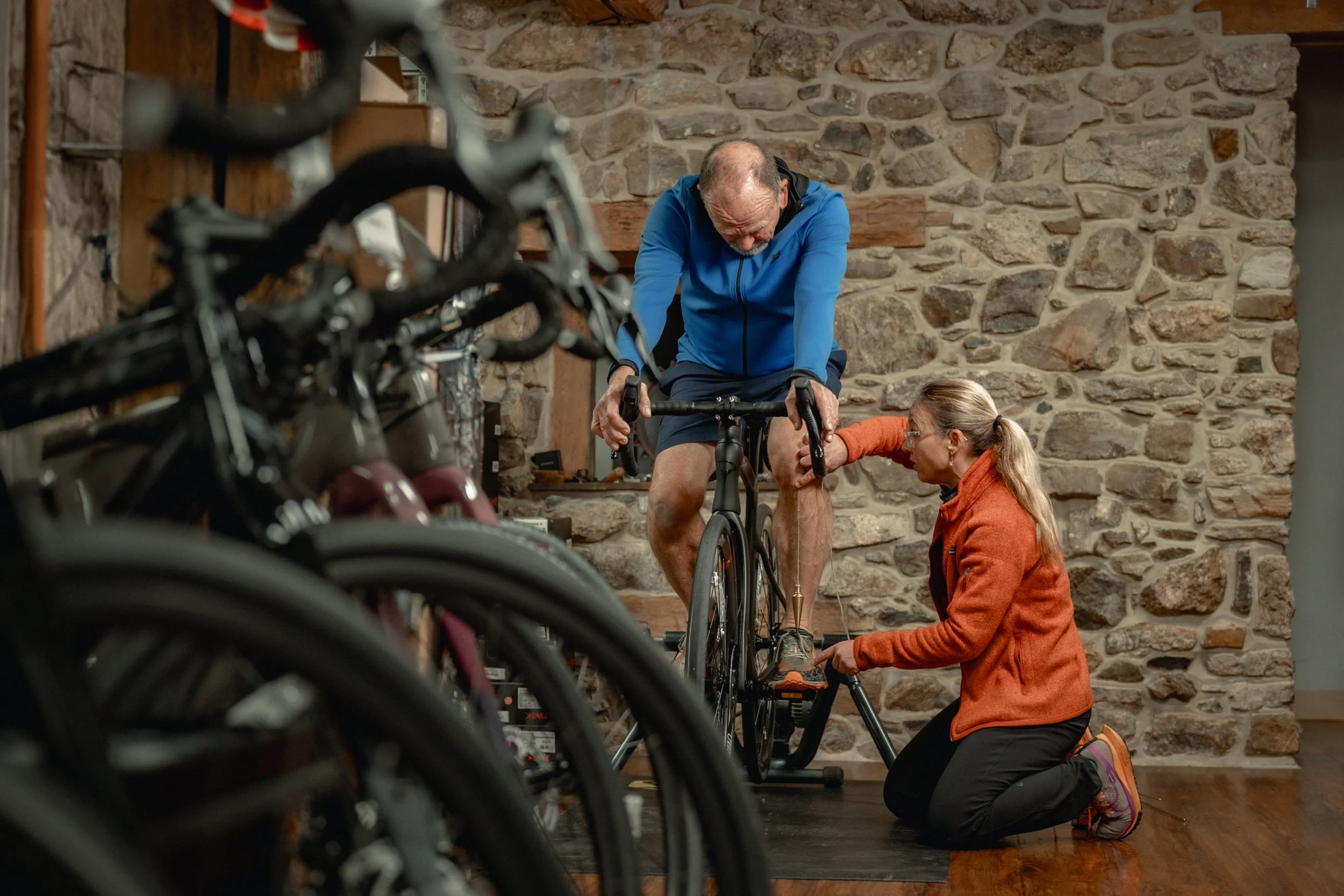
Whether you’re a casual weekend rider, a daily commuter, or a serious cyclist chasing performance gains, one factor has a bigger impact on your experience than almost anything else: proper bike fit. It’s easy to overlook—especially when you’re excited about a new bike—but getting the fit right can be the difference between comfort and pain, efficiency and struggle, or even enjoyment and injury.
Comfort Is Not a Luxury—It’s Essential
A poorly fitted bike can turn even a short ride into an uncomfortable ordeal. Common issues like saddle soreness, numb hands, neck strain, and lower back pain often stem from improper positioning rather than the ride itself. When your saddle height, handlebar reach, and overall geometry are dialed in, your body can relax into the ride instead of fighting against it.
Comfort isn’t just about feeling good—it’s what allows you to ride longer, more often, and with greater confidence.
Preventing Injury and Long-Term Damage
Cycling is low-impact, but repetitive motion can still lead to overuse injuries if your body isn’t aligned correctly. A saddle that’s too high can strain your knees and hips, while one that’s too low may overload your quads and cause knee pain. Similarly, incorrect handlebar positioning can lead to wrist issues or shoulder tension.
Over time, these small misalignments can develop into chronic problems. A proper bike fit ensures your joints move naturally and efficiently, reducing stress on your body and helping you stay injury-free.

Efficiency and Performance Gains
If you’re putting in effort on the bike, you want it to count. A proper fit maximizes power transfer from your legs to the pedals. When your position is optimized, you use less energy to produce the same output—or generate more power with the same effort.
Even small adjustments can lead to noticeable improvements. Riders often find they can climb better, maintain higher speeds, and feel less fatigued after getting a professional fit.
Better Control and Safety
Bike handling is directly affected by fit. If your reach is too long or too short, it can throw off your balance and make steering less precise. A properly fitted bike allows for better weight distribution, improved braking control, and more responsive handling—especially important in traffic, on descents, or on uneven terrain.
In short, a well-fitted bike doesn’t just feel better—it’s safer to ride.
Tailored to Your Body, Not Just the Bike
No two riders are exactly alike. Height alone doesn’t determine the right bike size or setup—factors like leg length, torso proportion, flexibility, and riding style all play a role. That’s why a one-size-fits-all approach rarely works.
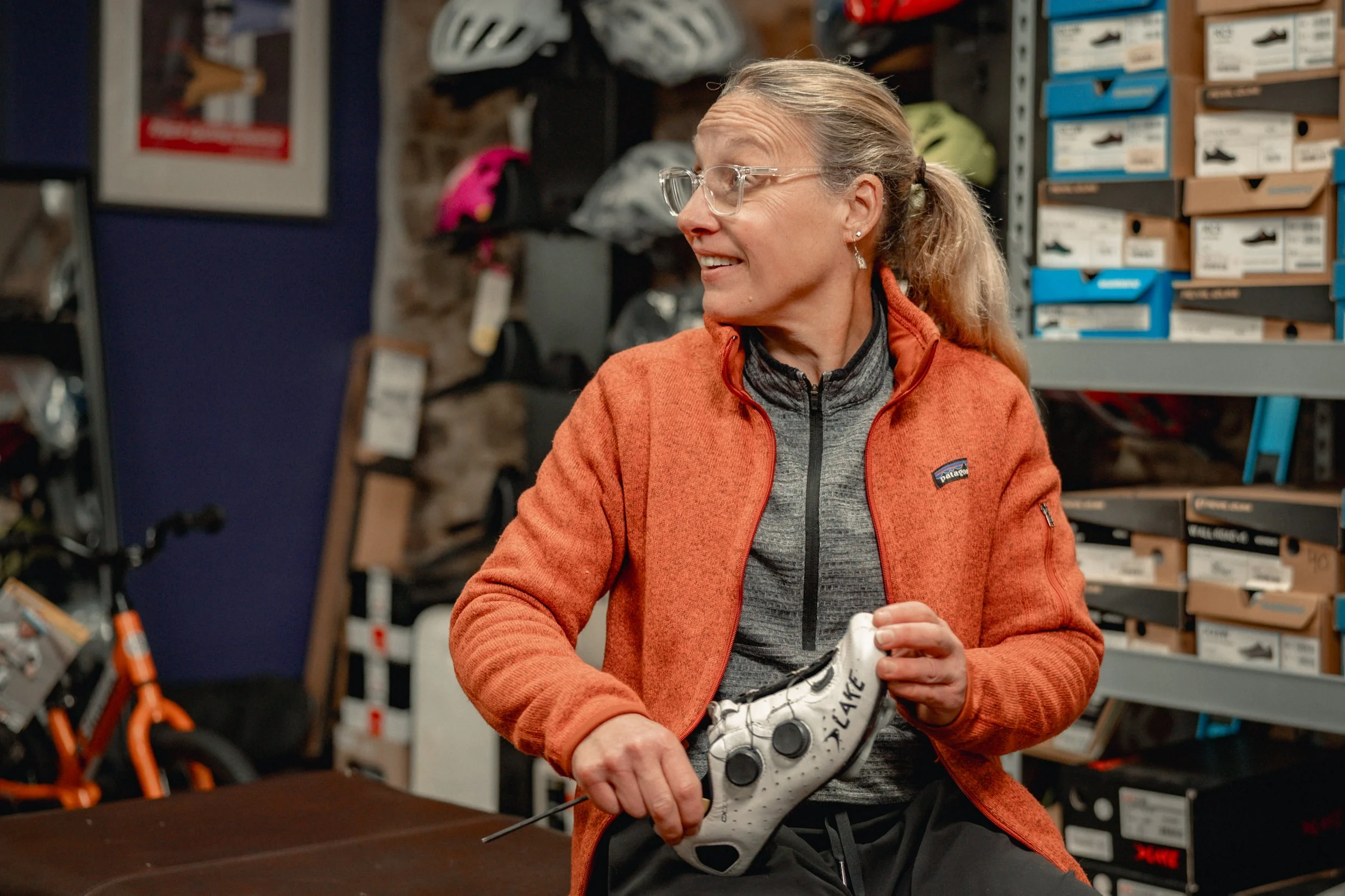
A proper bike fit takes your unique body mechanics into account. Adjustments may include saddle height and tilt, stem length, handlebar width, and cleat positioning (for clip-in pedals). Each tweak brings the bike closer to fitting you, rather than forcing you to adapt to it.
The Value of a Professional Fit
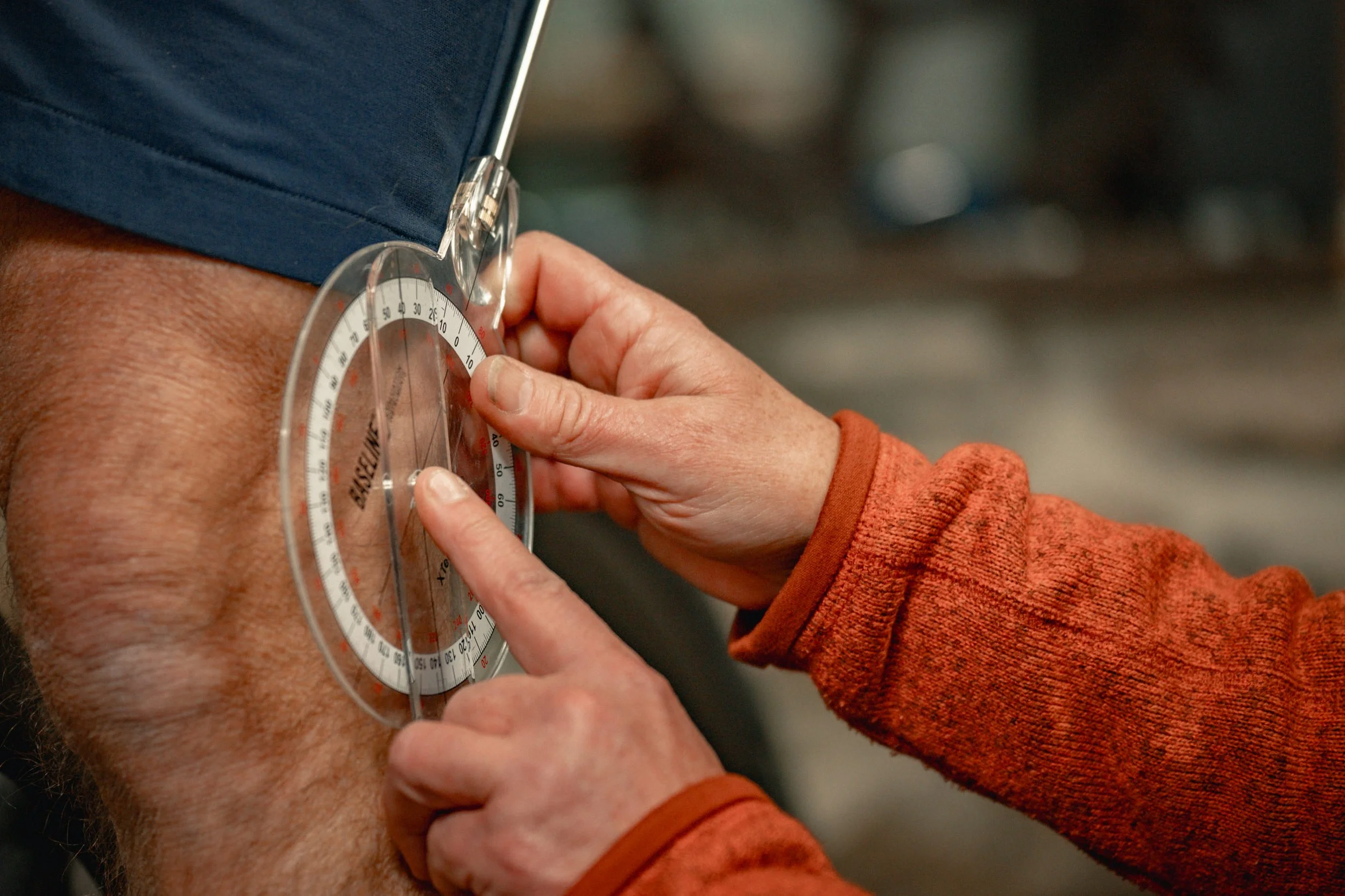
While basic adjustments can be made at home, a professional bike fitting session offers a deeper level of precision. Fit specialists use tools, measurements, and sometimes motion analysis to fine-tune your position.
For new riders, it sets a strong foundation. For experienced cyclists, it can unlock new levels of comfort and performance. Either way, it’s an investment that pays off every time you ride.
Final Thoughts
A bike is more than just a machine—it’s an extension of your body. When it fits properly, everything clicks: your movements feel natural, your rides become smoother, and your enjoyment increases.
If you’ve been dealing with discomfort or feel like something is “off,” don’t ignore it. Small adjustments can make a big difference. And once you experience a properly fitted bike, you’ll wonder how you ever rode without it.
By Becky Quinn • Co-Founder, Quinny's Quest