Spine Mobility: The Piece That Changes Everything.
Mobility is different than flexibility.
Let’s get this straight first…
Flexibility is your bodies ability to move into a position passively or “stretch” muscles and occasionally over stretching which then begins to effect ligaments and tendons and joints in a negative, unusable way.
Mobility is the ability to move into a position or through a joint’s full range of motion actively or with control. That means a clear path of communication from your central nervous system to your joints and the surrounding connective tissue, muscles etc. You are actually controlling your movements, not just moving or stretching aimlessly.
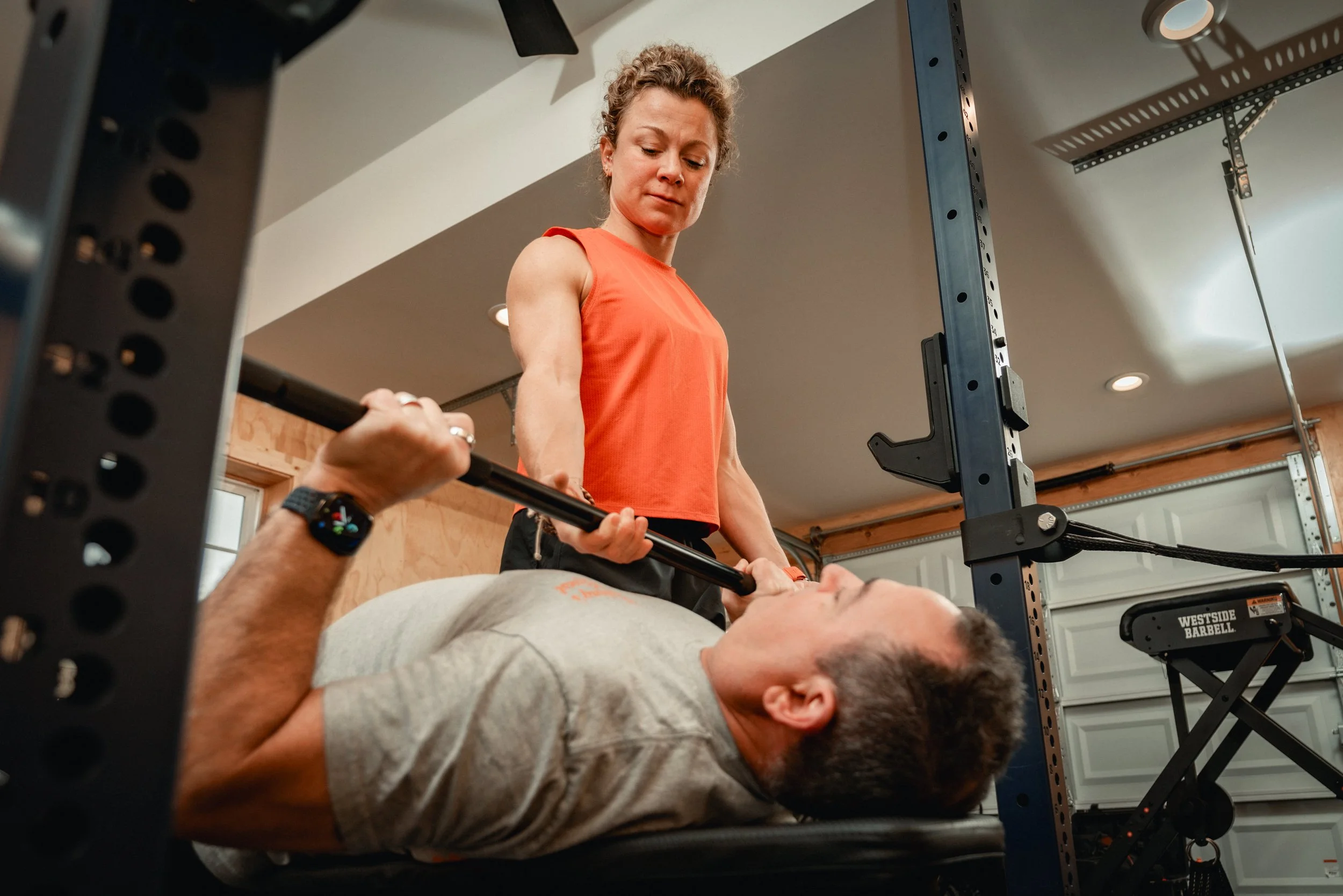
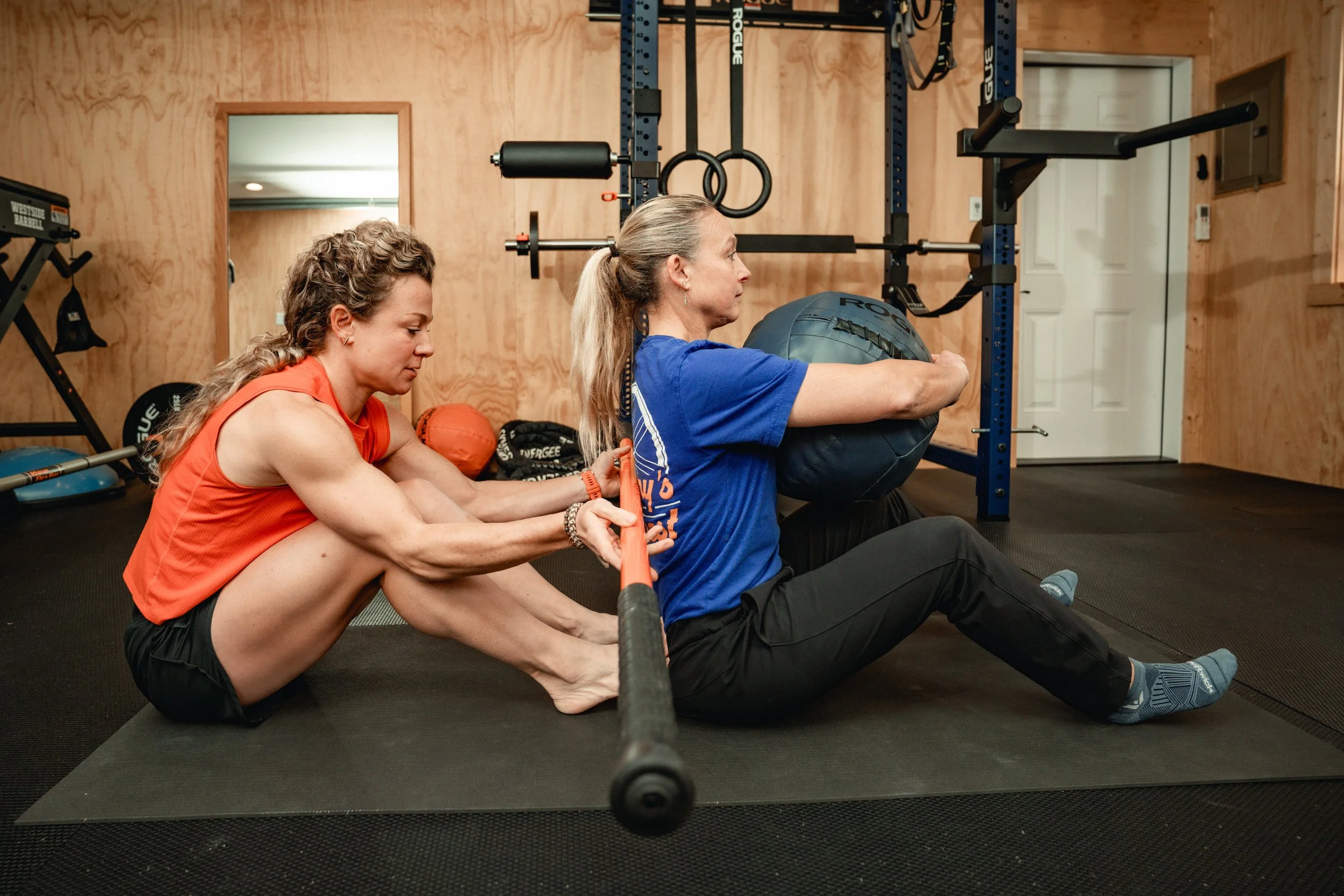
Let’s break this down some more;
Take cat/camel or flexion and extension of the spine.
Someone with a flexible back may be able to back bend or forward bend super easily. Does that mean they have a “usable” functional spine that can take load, force, or isolate while moving in and out of that back bend? Can they control themselves through the whole range of motion their spine can make?
Over time, their back flexibility can lead to overuse in the same area of the spine leading to uneven stress distribution, and little to no force control, protection or feedback to the brain plus major instabilities in the joints which can lead to degeneration of the joints and pain.
Remember:
Remember:
Your spine isn’t a single unit—it’s a coordinated structure made up of three distinct regions and it is the ‘backbone” of your entire being!
• Cervical (neck) • Thoracic (mid-back) • Lumbar (lower back)
Each segment has its own role and capacity for movement. For the spine to function well, these regions need to move both independently and together.
Now take a cyclist;
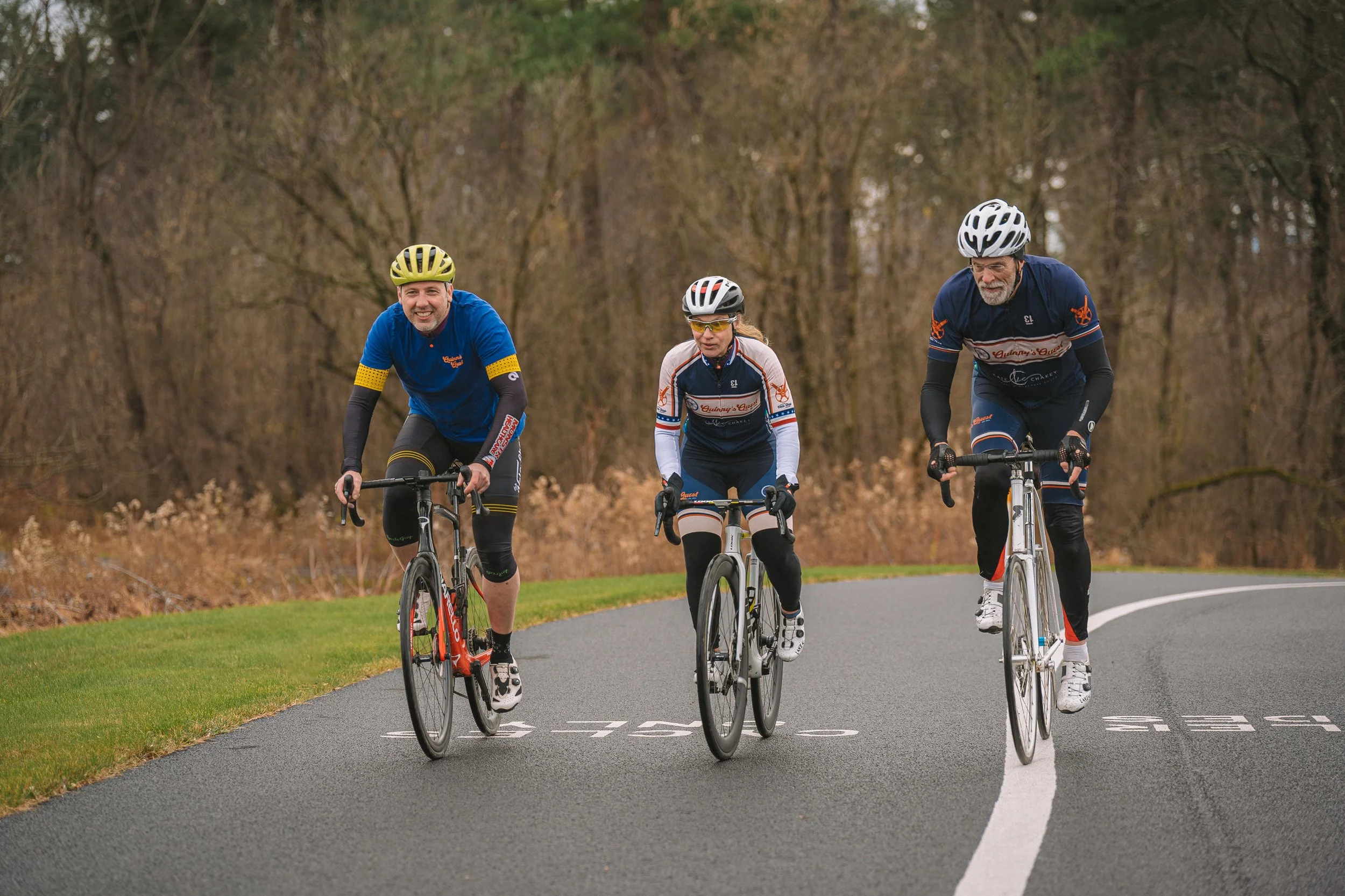
Spine flexibility and mobility is limited—say especially in the thoracic spine—their body compensates. The neck or lower back often takes on more stress than it should, particularly during long rides. This is where discomfort and inefficiency begin.
Now, training begins to build flexibility specifically in their thoracic spine (I know I just confused you since above I scared you out of wanting to be “flexible”) BUT, listen, we need that stiff thoracic spine to actively take load, force, aid in balance, help strengthen our core and balance our position on and off the bike! We need to teach it to pull its weight alongside the lumbar and cervical spine! Therefore, we need to build mobility at the same time we’re building new ranges of flexibility in the spine.
This is training spinal mobility intentionally and no, it’s not a quick fix. Adaptations, and new habits take time to build.
We want access. Access to positions, ranges, and control.
If your spine can flex, extend, rotate, and stabilize through its full capability with control off the bike, you create the conditions for better movement on the bike. Your body can distribute load more evenly. You’re pain free and stronger. You’ve changed how your muscles develop and how the rest of your body functions as well… in a way that’s more sustainable, more efficient, and ultimately more powerful.

By Kate Chakey • Co-Founder, Quinny's Quest